VPS vs VDS – Which Server Solution Is Right for Your Project in 2026?
Confused between VPS and VDS hosting? Learn the key differences in resource allocation, performance, and cost to choose the best server solution for your project needs.
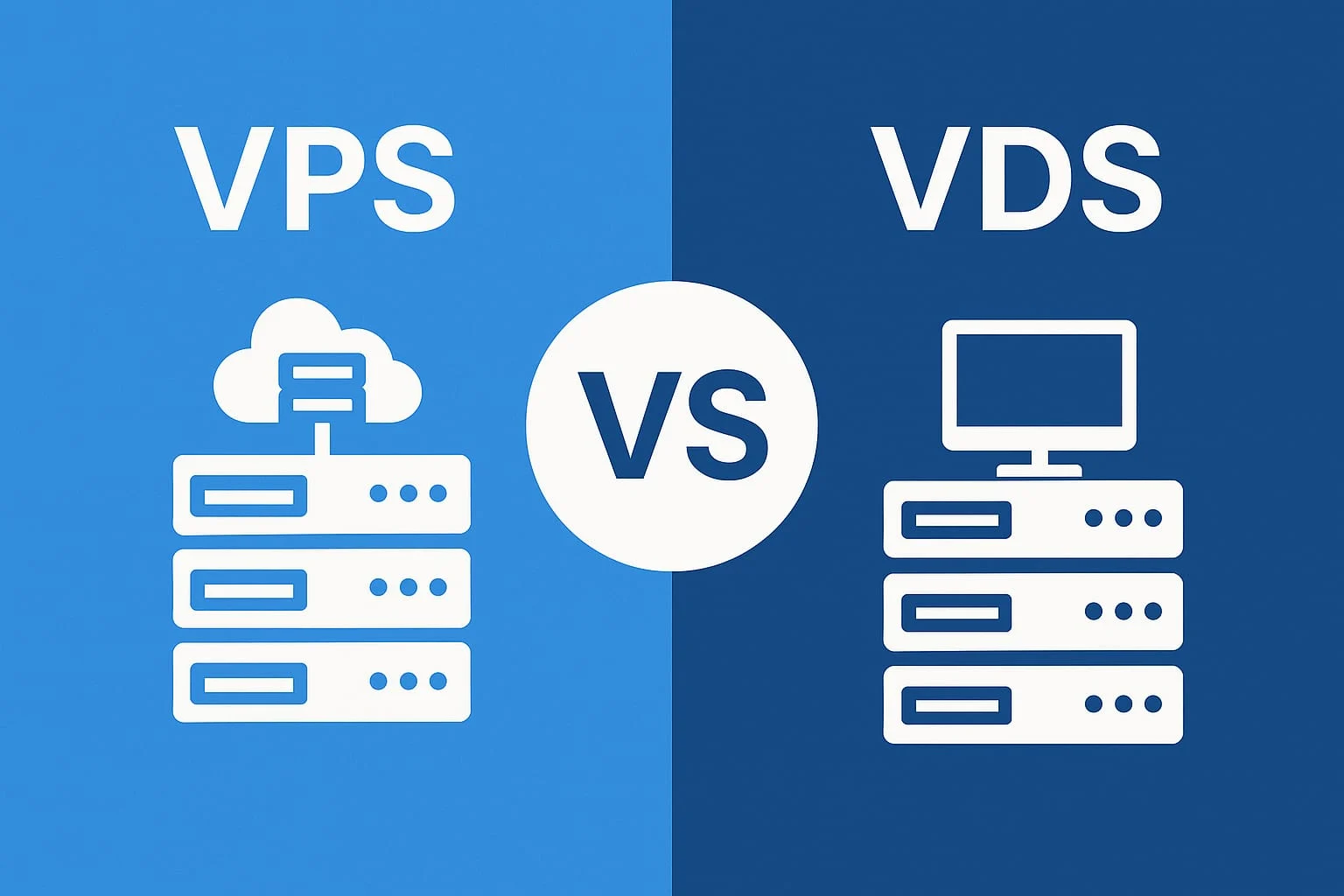
VPS vs VDS – Understanding the Key Differences
If you’re setting up a website, application, or online business, choosing the right hosting solution is critical. Two popular options often cause confusion: VPS (Virtual Private Server) and VDS (Virtual Dedicated Server). While they sound similar, they differ significantly in how resources are allocated and the level of performance you can expect.
The VPS vs VDS decision trips up even veteran tech teams because vendors often blur the lines with vague marketing terms. The technical reality is simpler than it seems: these platforms use fundamentally different resource allocation methods with massive performance implications. Most people don’t discover this until a busy shopping day when their checkout page suddenly takes 8 seconds to load because another customer on their shared hardware decided to run an unoptimized database query. Real-world testing shows performance variations exceeding 400% between identically-priced options from different providers.
Forget the alphabet soup of acronyms. What matters is whether CPU cycles and memory are truly reserved for your workload or just “mostly available” until someone else needs them.
What Is a VPS (Virtual Private Server)?
A Virtual Private Server is created through virtualization technology that divides a physical server into multiple virtual environments. Each VPS operates independently with its own allocated resources. The most important characteristic of a VPS is the resource sharing model. Resources are allocated to each virtual server, but they share the underlying physical hardware with other customers’ VPS instances.
Key resources include the operating system, disk space, CPU cores, RAM, and bandwidth. VPS hosting is generally more affordable and works well for small to medium websites, development environments, and budget-conscious projects.
What Is a VDS (Virtual Dedicated Server)?
A Virtual Dedicated Server represents a step up from standard VPS offerings. Like VPS hosting, VDS utilizes virtualization technology, but with a critical difference in how resources are allocated and isolated. The primary distinction is that VDS provides dedicated resources rather than shared resources with minimum guarantees, ensuring stronger isolation between instances.
VDS environments feature strictly dedicated resources, stronger isolation between virtual machines, consistent and predictable performance, and reduced resource contention. This makes VDS ideal for high-traffic websites, e-commerce platforms, gaming servers, and database applications where performance consistency is non-negotiable.
Key Differences Between VPS and VDS
Resource Allocation
VPS uses shared resources with guaranteed minimums and general oversubscription. VDS, on the other hand, provides fully dedicated resources with no competition for CPU, ensuring stable performance regardless of what other users are doing.
Performance Consistency
VPS performance can vary due to “noisy neighbor” issues and fair-share algorithms. VDS delivers consistent performance, predictable response times, and no impact from other users on the same hardware.
Virtualization Technology
VPS often uses container-based options with kernel limitations. VDS employs full hardware virtualization, complete OS customization, and wider operating system support.
Cost Structure
VPS offers a more affordable starting point and is better for smaller projects with a lower entry barrier. VDS costs more for dedicated resources but provides better value for resource-intensive applications and more predictable billing.
When to Choose VPS Hosting
VPS hosting is ideal for small to medium websites with moderate traffic that don’t require consistent peak performance. It’s also great for development and testing environments where occasional performance fluctuations are acceptable. Budget-conscious projects that need better performance than shared hosting will find VPS a good fit. Startups and growing businesses that need flexibility to scale as they expand also benefit from VPS.
For example, if you’re running a WordPress site with 10,000-50,000 monthly visitors, a content management system, or a small e-commerce store, a VPS provides an excellent balance of performance and cost-effectiveness.
When to Choose VDS Hosting
VDS hosting is the right choice for high-traffic websites that cannot tolerate performance fluctuations. E-commerce platforms where speed directly impacts conversion rates benefit greatly from VDS. Gaming servers requiring low latency and predictable performance are ideal candidates. Database applications requiring consistent I/O performance and resource availability also thrive on VDS.
If your project involves hosting an enterprise application, a busy e-commerce store processing numerous transactions, or services requiring consistent performance like video streaming or real-time data processing, VDS solutions provide the necessary stability.
Questions to Ask Before Making Your Choice
What is your budget? VPS offers a lower entry point, while VDS provides better value for resource-intensive needs. How important is consistency? If your application can’t tolerate occasional slowdowns, VDS is the safer choice. What are your peak requirements? Calculate your maximum needs for CPU, RAM, and I/O operations during busy periods. Do you need special configurations? VDS offers more flexibility for custom setups and kernel modifications. What are your growth projections? Consider how your needs will evolve over the next 12 to 24 months.
Conclusion – Aligning Technology with Your Needs
The VPS vs VDS question isn’t actually that complicated once you’ve seen what happens in production environments. A well-known case saw a client migrate from general cloud instances to dedicated resource pools and their checkout flow speed up by about 213 milliseconds. That doesn’t sound like much until you realize it translated to roughly $43,000 in additional monthly revenue.
That said, plenty of businesses run standard VPS configurations without any issues. One healthcare client has been on the same 4-core VPS setup since 2019 because their patient portal only sees around 25 to 40 concurrent users at most. Why pay an extra $290 per month for dedicated resources when the standard VPS hasn’t crashed once in more than three years?
The budget implications aren’t trivial. VDS will set you back anywhere from 70% to 115% more depending on the specifications. The rule of thumb is simple: if you’re running something where seconds matter, like e-commerce, SaaS dashboards, or booking engines, the dedicated resources are worth every penny. For everything else, save your money and go with VPS.
Before you decide, look at your actual server logs rather than just theoretical traffic estimates. That will tell you which configuration truly makes sense for your workload and budget.